
Biofuel Analysis: What Are the Advantages and Disadvantages?
Biofuels, as the name implies, are generated from plants and their products. These fuels are sometimes used with fossil fuels to increase their efficiency.
Plants are cultivated and harvested exclusively for the manufacture...

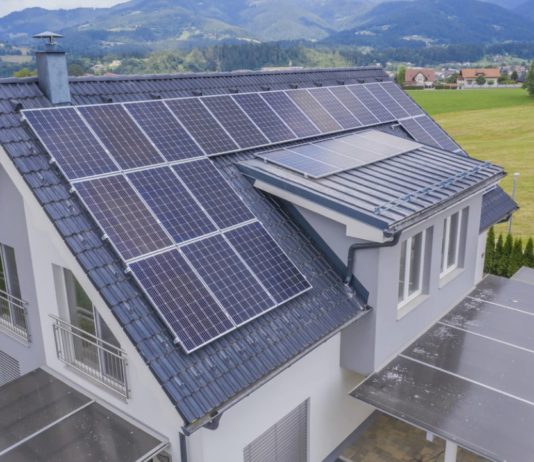
Solar energy is more widespread than you would believe, affordable, and simple to set up. Solar energy isn't a trend for the future; it currently exists. Homeowners may profit from the advantages of clean solar energy even in cold weather. Whether you want to save the environment,...

Solar panels are quickly becoming the most popular choice for the generation of energy for domestic use. The reasons for this rise in popularity of solar systems include the reduction in prices of solar panels and batteries, government incentives for the producers of solar energy, and the...

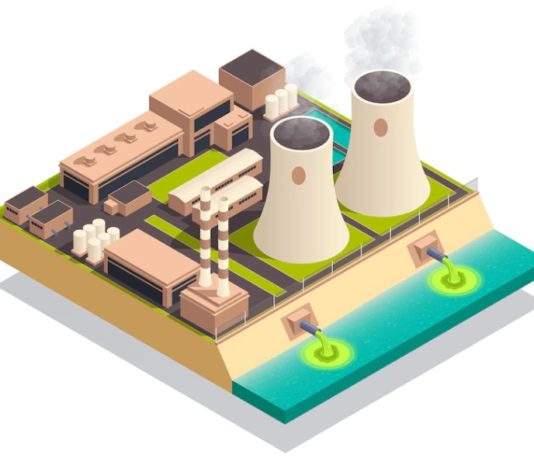
We assess the fundamental components of nuclear energy. Our in-depth examination of the pros and drawbacks of nuclear energy will emphasize its operation and provide a comprehensive study to help you understand more about this energy technology.
We are continuously in quest of dependable,...

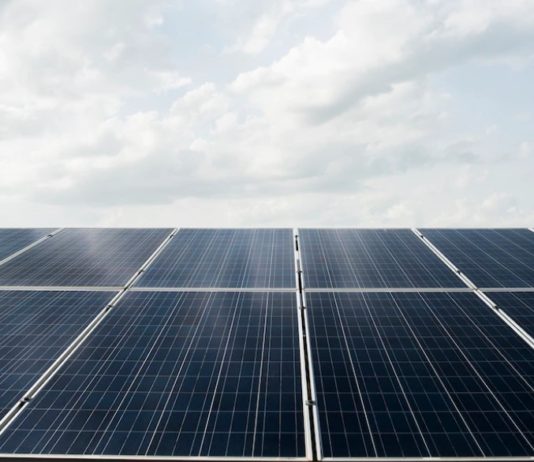
Solar energy is a clean and renewable source of power that does not pollute the environment. It also doesn't produce any harmful greenhouse gases, which means it won't contribute to climate change or global warming if we implement this technology more widely. By switching from fossil fuels...
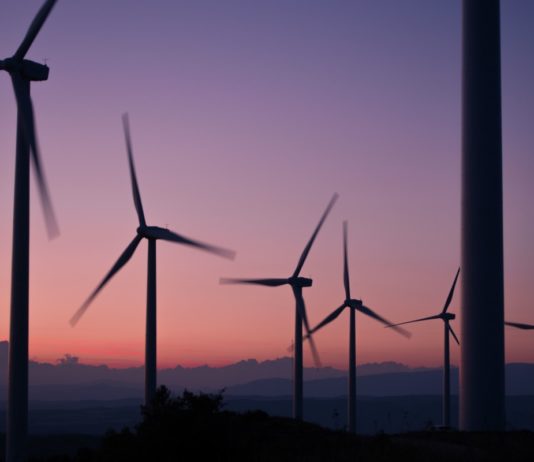
In 2020, renewable energy sources accounted for about 12% of total U.S. Energy Consumption and 20% of electricity generation. Renewables in America are on the rise as they continue to grow by 3-5 percent per year which accounts for a large percentage (12%) towards our country’s electricity...
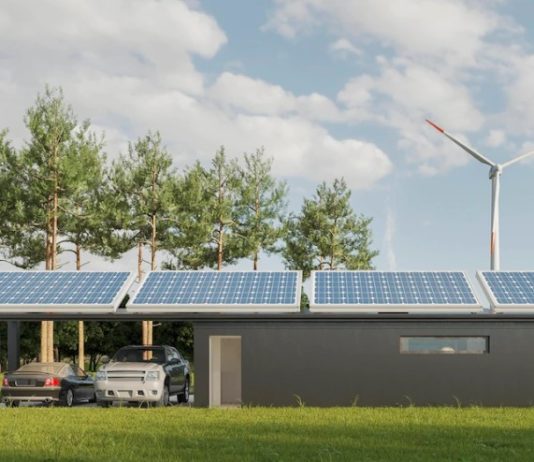
Solar energy is a natural, limitless, renewable energy source that creates no emissions or byproducts that pollute the atmosphere or the environment. Sunlight is transformed into usable energy, much like conventional electricity. Today, we will examine the several environmental advantages of solar energy.
People...
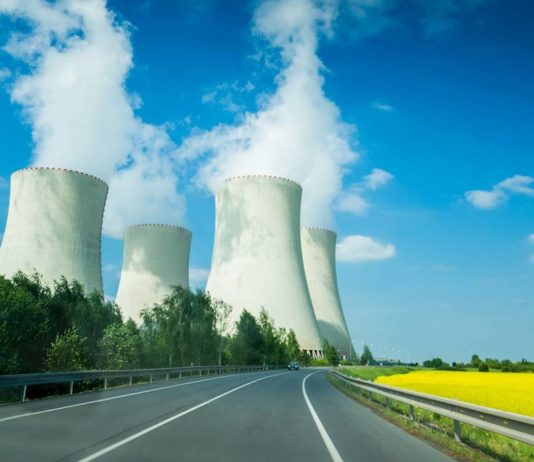
Nuclear reactors and the fuel they use were first developed in the 1940s as part of the Manhattan Project. This project, which aimed to develop the atomic bomb, also worked to harness the potential of nuclear power. In the decades since then, we’ve made great strides in improving and...